Study Skills for Success: Note-Taking
Sitting in a lecture is the first step to achieving academic success but we can get so much more out of that experience when effective note-taking methods are used.
I personally found note-taking to be extremely difficult for a variety of reasons ranging from the lecturer speaking fast, to not understanding a concept, to my hand-cramping up because I preferred paper and pen notes. These factors made it challenging for me to get the most out of a lecture and it often resulted in my notes being subpar at best. Found below are some note-taking methods that I wish I knew about that can hopefully help you take your notes to the next level and get more out of every lecture you attend!
The Outline Method
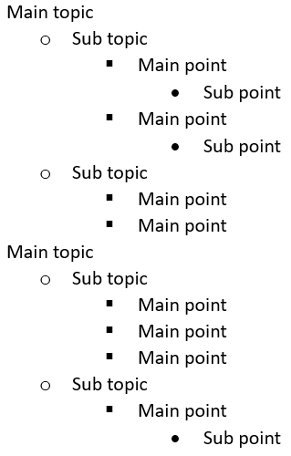
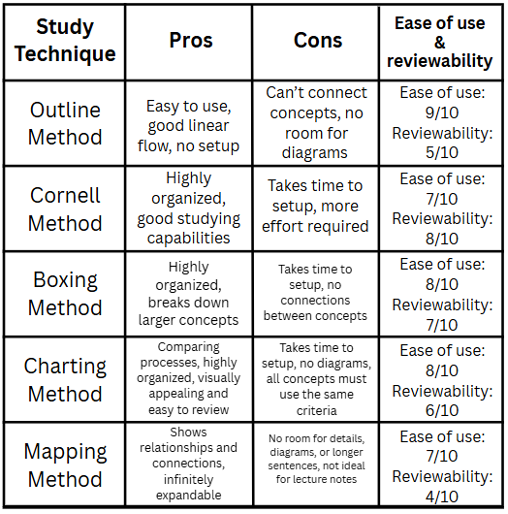
The outline method is the easiest to use and creates the most visually appealing notes but lacks some of the connection that other methods have. This method uses nesting bullet points to create an outline of the content. Be sure to keep your points short, using a maximum of one sentence per point. With this method, it’s easy to see the connection and progression but only in a linear manner making it challenging to see how different concepts relate to one another. This method also falls short if the topic or subject requires diagrams, charts, visuals, or anything beyond words really. On that note, this is a great starting point for many students as it organizes ideas in an easy-to-understand format and contains all the key points you’ll need to study before an exam or test.
The Cornell Method
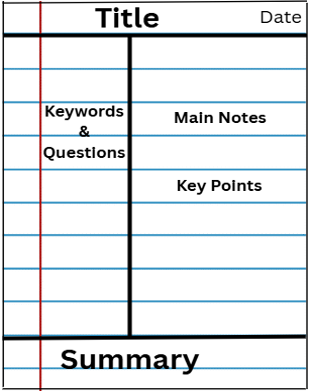
The Cornell method, is a popular note-taking technique that divides the page in 2, creating a main area for notes, and a secondary area for comments, questions, hints, or otherwise important things to highlight. The bottom of the page is then sectioned off to create a summary section to review and recap the information that was shared during the lecture. This note-taking style is ideal due to how easy it is to review notes and prepare for upcoming tests, assignments, and exams. Having the main notes and key points section also allows you to look further into challenging concepts and expand on important topics without making your notes look busy or overwhelming. Unfortunately, this method does require a bit more effort when it comes to making notes alongside some additional time to setup the page but with the right template, you can start using this technique today!
The Boxing Method
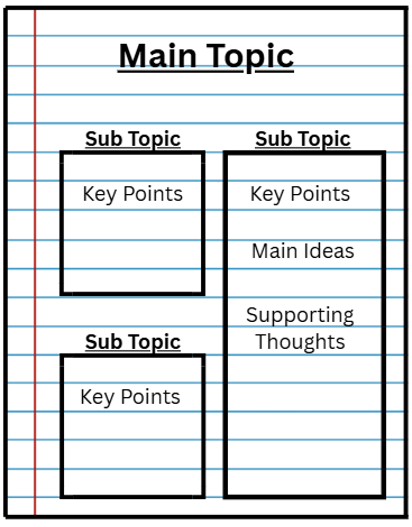
The boxing method is best used to break down a large topic into smaller, more manageable chunks using a visually appealing format that also emphasizes organization. With this method, boxes containing sub-topics are used underneath a title topic. Each sub-topic box contains key points and any main notes related to that sub-topic. This method is best for revision, as well as making summaries of bigger topics and their associated sub-topics. This method does require some additional setup to make the boxes and arrange the page in the best manner possible. The best part is that the boxes can be adjusted to fit your needs so if a sub-topic has more to write, you can accommodate all the important material whereas smaller sub-topics don’t need to take up as much space on the page. Using an iPad or other device is best for this method so you can create neat and tidy squares every time although with a ruler you can achieve the same effect with pen and paper.
The Charting Method
The charting method takes advantage of a chart diagram to organize notes into columns and rows. This method is best used for organizing your thoughts or notes on items that have multiple shared factors. For example, in your chemistry notes, you may use a chart to contain information about the different types of chemical bonding with the columns being the shared factors and the rows containing the different chemical bonds.
This method is excellent for comparing and contrasting and thus has a great deal of versatility but most likely isn’t the best choice for lecture notes. I recommend implementing the charting method into another type of note-taking to get the best of both worlds. This method also lacks any sort of linearity or progression as you can’t connect concepts to one another like you would with other techniques. This method also requires a bit of setup beforehand but if you don’t mind crooked lines, can be quick and easy!
The Mapping Method
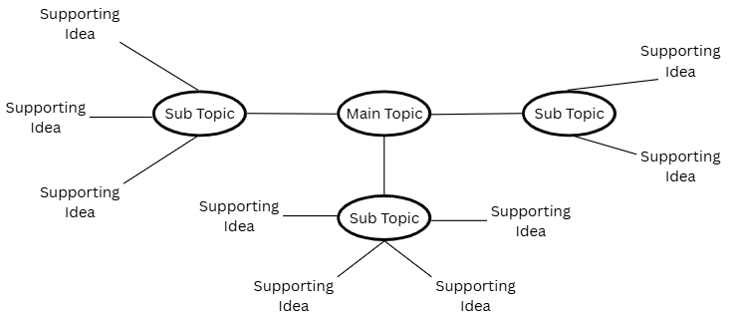
The mapping method is similar to the charting method in that it takes advantage of the connections and correlations between different subtopics and themes. To use this method, you’ll start by writing the main topic in the center of the page and adding branches for each subtopic. From there, each subtopic can have their own branches for supporting ideas, key points, or other information that you’ll need to know. This method is visually appealing and can help you map out how different concepts connect but don’t provide space for detailed descriptions or comparisons. If you prefer to keep your notes highly organized, this may not be the method for you as it can get a bit messy fast. Coincidentally, that is also a benefit of this method as it can continually expand further and further to accommodate more subtopics and supporting ideas. I found this method best for connecting different topics, theories, and methods to see how they relate to one another. Again, this method may not be the best for everyone but can provide some valuable contributions to your notes!
Mind Mapping
Mind mapping is a subset of the mapping method from above that’s geared more towards idea generation and the brainstorming process. Using the same layout, you can just as easily let your ideas flow onto the page without having to worry about structure, rules, formatting, or anything else. It takes advantage of the same visually appealing approach but with less structure to better show how ideas connect and relate to one another. While I would not advise this approach for taking notes during lectures, it can be helpful for breaking down larger ideas, exploring connections between different topics, and show your thinking to others so they can easily understand your thoughts in an organized manner.